
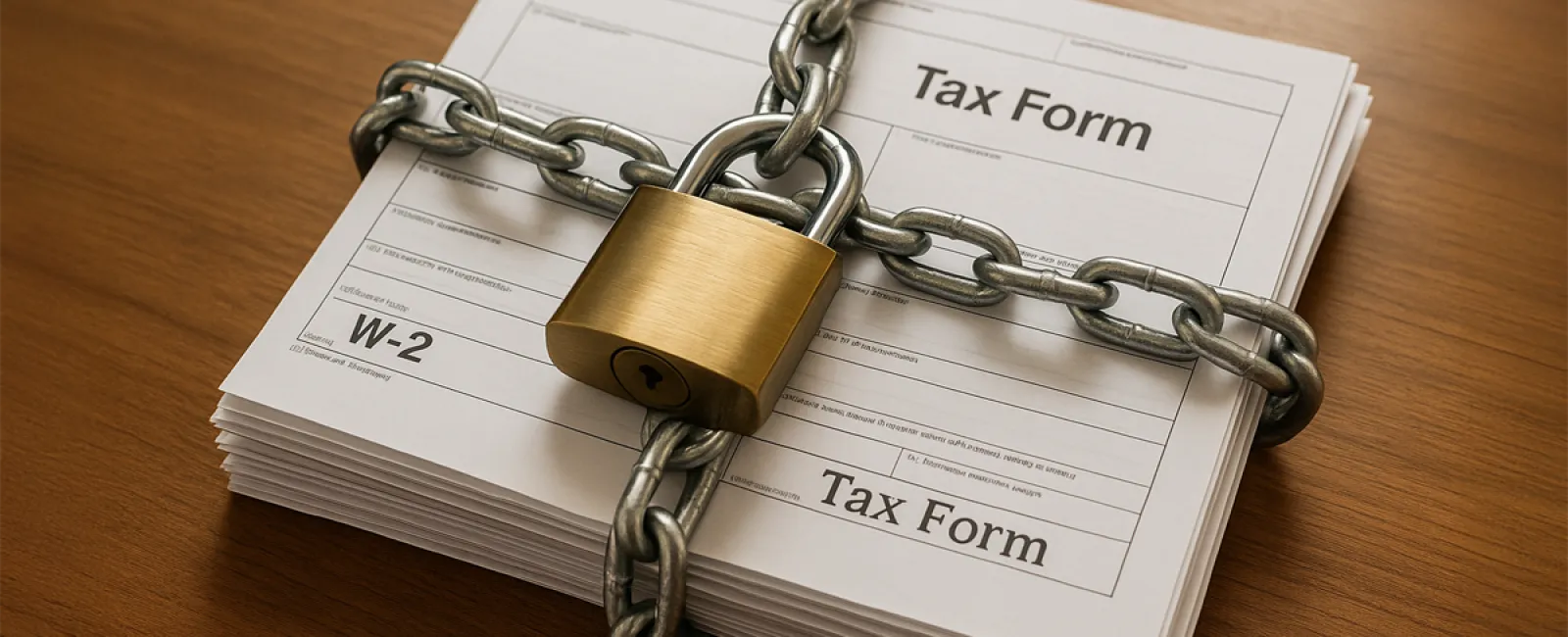
February signals the start of tax season, with accountants swamped and bookkeepers gathering essential paperwork. Everyone's focused on W-2s, 1099s, and looming deadlines.
But there's a critical issue many overlook: the first significant tax-season challenge often isn't a form—it's a scam.
This particular scam emerges early in the season because it's cleverly designed, believable, and targets small businesses. It might already be lurking in someone's inbox.
Understanding the W-2 Scam: The Mechanics
Here's the scenario:
Typically, an employee responsible for payroll or HR receives an email appearing to come from the CEO, business owner, or a top executive.
The message is brief but urgent:
"I need copies of all employee W-2s immediately for a meeting with the accountant. Can you send them over? I'm really tied up today."
Everything seems normal—the tone matches, urgency feels genuine due to tax season pressure, and the request appears entirely reasonable.
So, the employee complies and shares the W-2 forms.
However, the email wasn't from the CEO. It was sent by a fraudster using a spoofed email address or a closely mimicked domain.
That criminal now holds sensitive details for every employee:
• Full legal names
• Social Security numbers
• Home addresses
• Salary data
These details enable identity theft and fraudulent tax filings—potentially before your employees even file theirs.
The Aftermath: What to Expect
Usually, victims discover the breach when:
An employee submits their tax return only to have it rejected with the message, "Return already filed for this Social Security number."
Someone else has already claimed their refund.
Suddenly, your employee faces IRS investigations, credit monitoring, identity protection measures, and lengthy paperwork—all triggered by a stolen document they never meant to share.
Multiply this risk across your entire payroll, and imagine the damage to trust, morale, and your company's reputation.
This isn't just a cybersecurity concern—it's a serious HR challenge, a legal risk, and a potential blow to your business's credibility.
Why the W-2 Scam Is So Effective
This scam stands apart from obvious phishing attempts because it's subtle and smart.
Its success comes down to:
• Perfect timing: W-2 requests are typical in February, so nobody finds it suspicious.
• Reasonable request: Unlike scams asking for money or gift cards, W-2 sharing is genuine tax season business.
• Natural urgency: A busy office makes quick replies seem normal.
• Believable sender info: Attackers carefully research to fake executives' identities.
• Employees' helpfulness: Desire to assist leadership overrides caution.
Preventing the W-2 Scam: Five Essential Strategies
Fortunately, this scam can be stopped—not just with technology but by establishing clear policies and cultivating the right culture.
1. Enforce a strict rule: No W-2 forms should be sent via email. Under no circumstances should sensitive payroll documents leave your organization as attachments. If requested by email, the automatic answer must be no—even if the sender appears to be the CEO.
2. Always verify sensitive requests through a secondary method—call, direct conversation, or trusted chat channels. Use verified contact info, never the information from the suspicious email. A quick 30-second check can prevent months of damage.
3. Conduct a focused 10-minute training session for payroll and HR staff immediately. Alert them to the rise of these scams and clarify the steps to take.
4. Enhance security on payroll and HR systems by implementing Multi-Factor Authentication (MFA). This adds a critical defense layer that helps block attackers even if credentials are compromised.
5. Create a culture that rewards verification. Employees who double-check requests from executives should be commended, ensuring cautious behavior becomes second nature and scammers find no openings.
These five steps are straightforward to implement and powerful enough to fend off most initial attacks this tax season.
The Larger Tax Season Threat Landscape
The W-2 scam is just one example. Expect a wave of tax-related cyberattacks through April, including:
• Fraudulent IRS notices demanding immediate payment
• Phishing attempts disguised as tax software updates
• Spoofed emails pretending to come from accountants with harmful links
• Bogus invoices designed to look like legitimate tax expenses
Tax season is a prime time for cybercriminals—they capitalize on distraction, urgency, and the typical financial processes that seem routine.
The businesses that weather tax season safely don't stumble by chance—they prepare thoroughly with solid policies, staff training, and defenses that identify suspicious requests early.
Is Your Business Prepared for Tax Season Threats?
If your team already has effective policies and knows what signs to watch, you're ahead of many small businesses.
If not, now is the critical moment to act—before the first costly scam targets your company.
Consider booking a 15-minute Tax Season Security Check with us. We'll assess:
• Payroll and HR system access alongside MFA use
• Your W-2 document verification protocols
• Email defenses designed to block spoofing attacks
• One key policy adjustment many overlook
If your business is already secure, excellent—but you might know someone who isn't. Share this essential information; it could save a company from a devastating tax season setback.
Click here or give us a call at 703-879-2070 to schedule your free 15-Minute Discovery Call.
Because tax season is challenging enough without adding the burden of identity theft.


